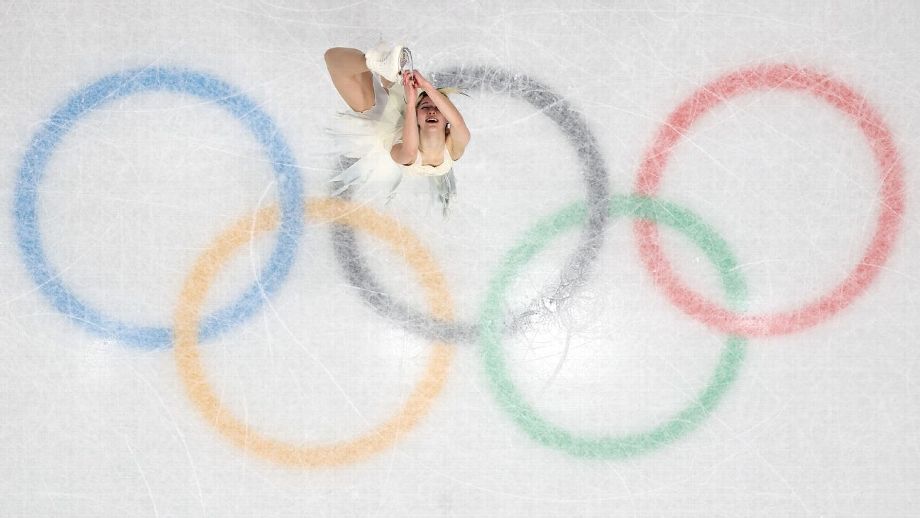
The women's figure skating short program concluded with Japanese athletes occupying three of the top four positions. Ami Nakai leads the field, followed by Kaori Sakamoto in second and Mone Chiba in fourth.
United States competitors demonstrated variable performance levels. Alysa Liu, the reigning world champion, qualified in third position. Isabeau Levito placed eighth, while Amber Glenn, a three-time national champion, qualified in thirteenth following a technical error on a combination element despite successful execution of a triple axel.
Freestyle Skiing: Men's Big Air
The men's big air final concluded with Mac Forehand of the United States securing silver medal position. The competition featured high-scoring final round performances including two scores of 95.0 and a 98.25. Forehand's medal marks the second time an American athlete has achieved podium position in this Olympic event.
For National Federations: Variable performance outcomes among qualified athletes from the same competitive program indicate the need for differentiated psychological preparation protocols. Technical execution consistency under pressure appears to diverge significantly even among athletes with comparable training backgrounds and competitive credentials.
For Coaching Staff: The correlation between successful execution of high-difficulty individual elements and subsequent combination performance suggests attention allocation strategies may require recalibration. Athletes demonstrating capacity for complex maneuvers are experiencing degradation on sequential elements, indicating potential cognitive load management issues in program construction.
For Performance Analysts: Scoring distribution patterns in judged sports continue to show clustering effects where small technical errors generate disproportionate placement penalties. Risk-reward calculations for program difficulty selection may benefit from revised modeling that accounts for cascading score impacts rather than isolated element valuation.
For Broadcast Rights Holders: The concentration of Japanese athletes in top figure skating positions, combined with American medal success in freestyle skiing, creates favorable demographic engagement conditions for North American and East Asian markets. Scheduling strategies should prioritize live coverage windows that accommodate both regions when competitive fields show similar national distribution patterns.
Comments