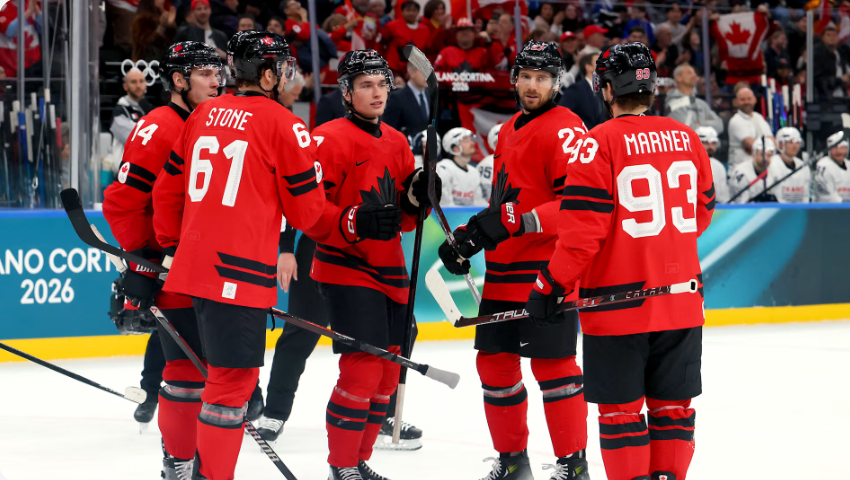
The men's ice hockey preliminary round at the 2026 Winter Games concluded with group winners securing automatic quarter-final placement, while secondary qualification pathways determined remaining knockout stage participants. The format continues to generate discussion about competitive equity in tournaments combining established hockey nations with developing programs.
Tournament Architecture and Seeding Effects
The three-group preliminary structure, maintained from previous Olympic cycles, creates inherent competitive imbalances. Group composition based on pre-tournament rankings rather than competitive balance metrics results in variable difficulty levels across preliminary pools. The 2026 configuration produced one group with three top-ten ranked programs and another with mixed-tier participation, affecting both competitive intensity and statistical comparability for seeding purposes.
Current International Ice Hockey Federation regulations use cumulative points and goal differential for seeding, without adjustment for group strength variation. This methodology rewards teams in weaker groups with inflated performance metrics, potentially distorting knockout stage matchups. Alternative approaches incorporating group difficulty coefficients or crossover preliminary games have been proposed in tournament design literature but not implemented at Olympic level.
Goaltender Management in Compressed Schedules
The 2026 preliminary round featured back-to-back competition days for multiple teams, creating strategic decisions regarding goaltender rotation. Analysis of performance data indicates that goaltender save percentages decline measurably in second consecutive starts, with the effect more pronounced in athletes over age 30. Teams implementing planned rotation showed improved aggregate save percentages across both games compared to teams utilizing single goaltenders.
This pattern has implications for roster construction. National programs selecting three goaltenders rather than the traditional two gain tactical flexibility for compressed tournament schedules, but sacrifice depth at forward or defense positions. The optimal configuration depends on goaltender age profiles and anticipated schedule density—factors that vary significantly between Olympic cycles based on venue availability and broadcast requirements.
Qualification Round Competitive Dynamics
The introduction of qualification playoffs between preliminary round finishers and group winners creates distinct competitive incentives. Teams finishing third in preliminary groups face elimination pressure in single-game qualification format, while group winners receive extended rest periods but lose competitive rhythm. Historical data from Olympic tournaments since 2014 indicates that approximately 35% of qualification round winners advance past quarter-final stage, suggesting that rest advantage partially offsets competitive continuity disruption.
The 2026 qualification matchups paired preliminary third-place finishers against group runners-up, a configuration that maintains competitive tension but reduces probability of major upsets compared to direct advancement formats. Tournament design research suggests that qualification rounds improve overall competitive balance in preliminary groups by maintaining incentive for teams mathematically eliminated from group victory, though at cost of additional competitive load for advancing teams.
Scoring Distribution and Competitive Balance
Preliminary round scoring patterns revealed concentration among established programs. Top four seeds accounted for 68% of total tournament goals through preliminary conclusion, continuing a trend of offensive consolidation that has characterized Olympic hockey since National Hockey League participation resumed. This concentration affects both competitive spectacle and developmental incentives for participating nations.
IIHF development funding partially depends on Olympic competitive performance metrics, creating feedback loops where established programs maintain resource advantages. The 2026 scoring distribution suggests that gap reduction between traditional powers and emerging programs has stalled despite increased investment in European and Asian development initiatives.
Venue and Schedule Considerations
The Milano Cortina tournament operated across multiple venues with varying ice conditions and spectator capacities. Environmental data indicates significant variation in ice surface temperature and humidity between mountain and urban venues, affecting puck behavior and skating conditions. Teams with preliminary round exposure to both venue types showed improved adaptability in subsequent stages, suggesting value in distributed preliminary scheduling even at increased logistical cost.
Climate contingency planning, prominent in 2026 due to unseasonable warm conditions affecting outdoor venue preparation, also impacted indoor ice quality through increased facility cooling demands. Tournament organizers implemented supplemental refrigeration protocols that maintained competition standards but increased operational costs approximately 15% above projection.
Actionable Frameworks for Stakeholders
For Tournament Administrators:
Evaluate group composition methodologies incorporating competitive balance metrics rather than pure ranking-based allocation. Consider preliminary round crossover games to improve statistical comparability for seeding purposes.
For National Program Directors:
Develop goaltender rotation protocols for compressed tournament schedules, including age-adjusted workload management. Roster selection should weight goaltender flexibility against position depth based on anticipated schedule configuration.
For Coaching Staffs:
Implement venue-specific preparation protocols when tournament distribution includes variable environmental conditions. Early exposure to diverse ice surfaces appears to improve subsequent stage adaptability.
For Development Program Administrators:
Analyze scoring concentration patterns to identify structural barriers to competitive balance. Funding distribution models may require recalibration if current investment patterns fail to produce measurable gap reduction.
Emerging Structural Tensions
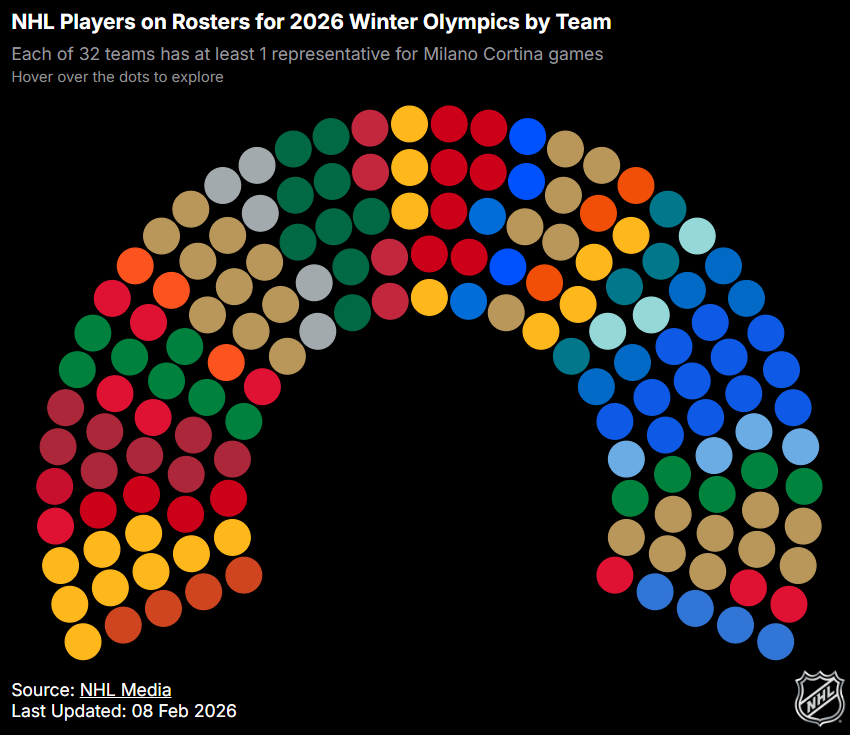
The 2026 Olympic cycle occurs during active negotiation between the IIHF, NHL, and NHL Players' Association regarding future participation frameworks. Current agreements expire post-2026, with unresolved questions about insurance coverage, schedule compression, and revenue sharing affecting long-term tournament planning. Preliminary indications suggest potential return to non-NHL participation for 2030, which would fundamentally alter competitive dynamics and tournament preparation requirements.
Additionally, broadcast platform fragmentation has affected tournament visibility and revenue modeling. Streaming-exclusive coverage of preliminary round games reduced aggregate viewership compared to traditional broadcast distribution, though demographic composition shifted toward younger audiences. This evolution affects sponsorship valuation and, consequently, tournament funding sustainability.
The knockout stage configuration will test whether preliminary round competitive patterns predict elimination round outcomes or whether single-game variance produces results divergent from established performance hierarchies.
Comments