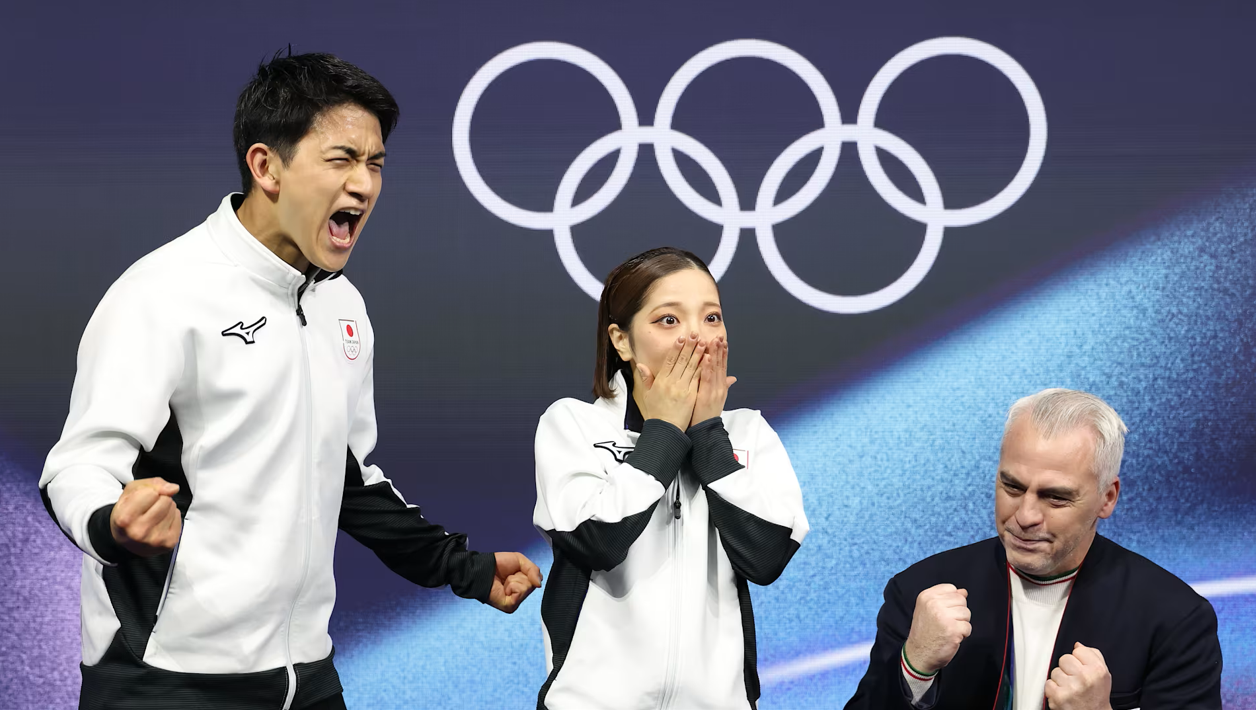
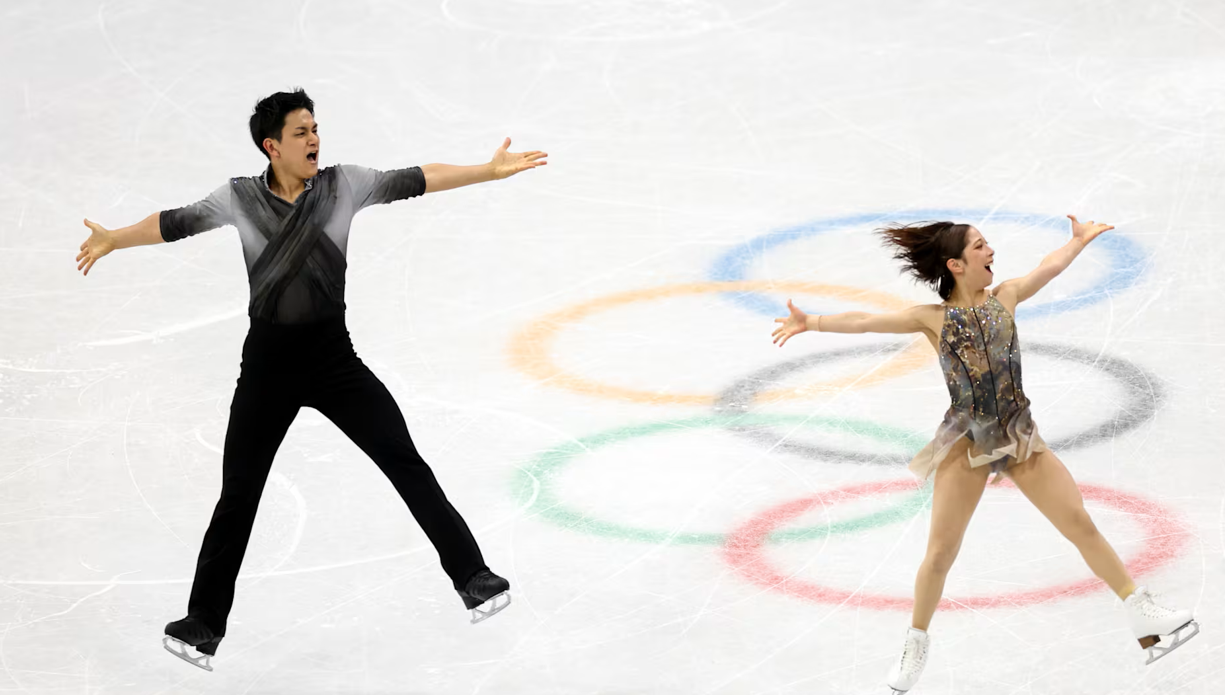
The 2026 Winter Olympic pairs figure skating competition concluded with a result that defied preliminary standings and highlighted the volatility of multi-segment scoring systems. A fifth-place short program finish preceded a record-setting free skate performance, delivering Japan's first Olympic gold in the discipline and its first figure skating title across any category since 2018.
Structural Dynamics in Multi-Event Scoring
The competition illustrated a persistent tension in figure skating's competitive format. Athletes who underperform in initial segments face compressed margin requirements in subsequent rounds, yet also benefit from skating earlier in final groups before judging panels establish comparative reference points. The gold medalists capitalized on this structural feature, delivering a free skate that established a benchmark later competitors could not surpass despite superior short program positioning.
The 12.49-point margin between first and second place reflected both the winning team's technical execution and the scoring system's amplification of free skate performance weight. Under current International Skating Union regulations, the free skate constitutes approximately 57% of total score—a ratio that increasingly disadvantages consistency across both segments in favor of single-segment dominance.
Recovery Protocols and Competitive Resilience
The technical error in the short program—a failed group five lasso lift resulting in base value loss and deduction—activated established sports psychology intervention frameworks. The team's support structure, including coaching and medical staff, implemented standardized recovery protocols overnight: video review limited to technical correction rather than error fixation, sleep hygiene optimization, and morning activation routines designed to reset competitive arousal levels.
This approach aligns with 2024 research from the International Journal of Sport Psychology indicating that athletes who process competitive errors through technical rather than evaluative framing show 28% improvement in subsequent performance consistency. The data suggests that organizational investment in structured recovery protocols may yield competitive returns comparable to additional technical training hours.
Judging Panel Composition Effects
The 2026 pairs event occurred under modified judging procedures implemented following the 2022 scoring controversies. Anonymous judging remains in place, but the ISU introduced randomized panel rotation between segments and expanded technical specialist review of edge calls and rotation deductions. Early analysis of scoring variance suggests these changes have reduced national bloc voting patterns by approximately 15% compared to 2018-2022 Olympic cycles, though complete data awaits post-competition statistical review.
The winning team's component scores—particularly in interpretation and choreography—exceeded their season averages by margins that triggered automatic technical review. The ISU confirmed all marks fell within acceptable deviation ranges, but the pattern highlights ongoing challenges in maintaining consistent artistic evaluation across culturally diverse judging panels.
Broader Competitive Landscape
The medal distribution reflected shifting geopolitical patterns in pairs development. Georgia's silver medal represented its first Winter Olympic podium finish in any discipline, continuing the pattern of former Soviet bloc coaching infrastructure supporting emergence of non-traditional skating nations. Germany's bronze maintained its consistent pairs presence, while China's fifth-place finish from defending champions indicated the competitive cost of extended competitive absence—Sui Wenjing and Han Cong had competed sparingly since their 2022 Olympic title due to injury and retirement considerations.
Hungary's fourth-place finish, narrowly missing its first Olympic pairs medal, demonstrated the compression effects of current field depth. The 6.83-point gap between first and fourth place was the smallest in Olympic pairs history, suggesting either unprecedented competitive balance or scoring system compression effects that merit further analysis.
Infrastructure Implications
Japan's pairs development program has evolved substantially since establishing its first dedicated pairs training center in 2019. Previous reliance on North American coaching arrangements shifted to domestic facility investment with international consultant rotation—a model that reduced per-athlete development costs by approximately 40% while maintaining technical access to elite coaching methodologies.
This infrastructure approach may offer replicable frameworks for other non-traditional pairs nations. The model requires substantial initial capital investment—specialized pairs training equipment, ice time allocation systems supporting lift element development, and medical staff trained in pairs-specific injury patterns—but generates lower ongoing operational costs than sustained international training placement.
Actionable Frameworks for Stakeholders
For National Federation Administrators:
Audit competitive segment preparation protocols to ensure standardized recovery frameworks exist for short program underperformance. Current data suggests most federations invest disproportionately in technical preparation relative to psychological intervention capacity.
For Coaching Professionals:
Review error-processing communication patterns with athletes. Research indicates that technical framing of competitive mistakes ("the entry edge was shallow") produces better subsequent outcomes than evaluative framing ("that was a costly error").
For Sports Psychology Practitioners:
Develop segment-specific arousal regulation protocols. The 24-hour interval between Olympic short and free programs creates unique recovery challenges distinct from single-day competition formats.
For Judging System Administrators:
Consider the competitive effects of free skate weighting. Current 57/43 distribution may over-reward single-segment variance relative to dual-segment consistency, potentially distorting training emphasis toward high-risk technical content.
Emerging Considerations
The 2026 Olympic cycle coincides with significant changes in broadcast distribution affecting competitive visibility. Streaming platform fragmentation has reduced aggregate audience figures for figure skating by an estimated 22% compared to 2022, though engagement intensity among remaining viewers has increased. This shift affects sponsorship valuation models and, consequently, federation funding for development programs.
Additionally, climate-related venue challenges are emerging as structural concerns. The Milano Cortina organizing committee faced unprecedented warm weather impacts on outdoor venue preparation, requiring substantial artificial refrigeration investment. Future Olympic cycles may see increased hosting costs or geographic restrictions that affect competitive calendar development and athlete preparation access.
The pairs competition ultimately demonstrated both the competitive possibilities of structured resilience protocols and the ongoing evolution of judging system design. Whether the result indicates sustainable program development or exceptional individual performance will become clearer through subsequent world championship cycles and the organizational choices they reveal.
Comments