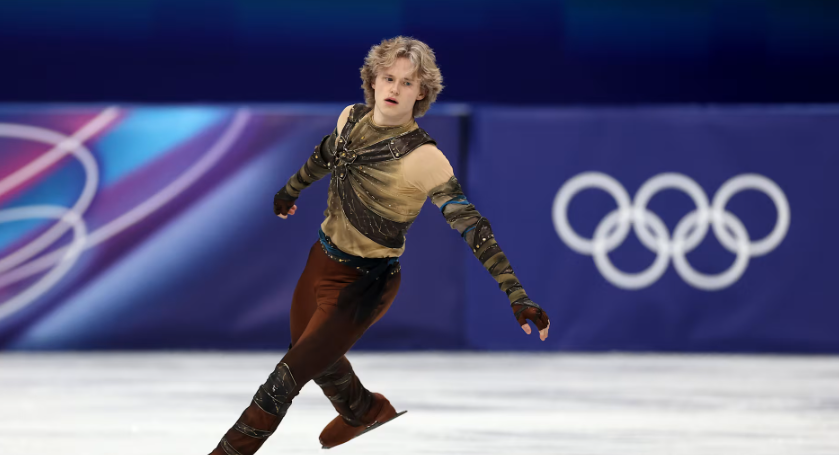
The 2026 Winter Games have intensified examination of how elite athletes process competitive pressure when external expectations diverge from outcomes. A case involving an American figure skater—entering competition on a 12-event winning streak, securing short program victory, then finishing eighth overall—has become a focal point for discussions about mental health infrastructure in high-performance environments.
The Gap Between Preparation and Execution
Athletes arriving at Olympic competition with extended competitive dominance face distinct psychological challenges. The translation of season-long consistency to single-event performance under global scrutiny involves variables that training simulations cannot fully replicate. Current sports psychology research identifies "expectation escalation" as a measurable phenomenon: each successive victory increases external performance pressure in non-linear progression, while internal confidence may plateau or decline due to accumulated fatigue and heightened self-monitoring.
The 2026 figure skating men's event illustrated this dynamic. The competition leader after the short program, positioned to attempt historically significant technical content, experienced performance degradation in the free skate segment. Post-competition reflection indicated recognition that pressure management strategies effective for championship events proved insufficient for Olympic-specific conditions—a common pattern documented across multiple Games cycles but rarely addressed proactively in athlete support programs.
Cross-Disciplinary Support Networks
A notable development from the 2026 cycle involves established athletes from other disciplines providing informal mentorship to first-time Olympians experiencing competitive disappointment. The interaction between gymnastics and figure skating communities, specifically, reflects recognition that pressure dynamics transcend sport-specific technical requirements.
This pattern suggests potential value in structured cross-sport psychological support programs. Current national team frameworks typically silo mental health resources by discipline, assuming that sport-specific psychologists best understand competitive contexts. However, pressure management for globally televised individual performance may share more commonalities across aesthetic sports than previously acknowledged, indicating possible efficiency gains from interdisciplinary support models.
Mental Health Service Utilization Patterns
The 2026 cycle has revealed persistent gaps between available psychological support and athlete utilization. Despite increased institutional investment in sports psychology services post-2021, many elite competitors report not accessing these resources until after experiencing competitive setbacks. Stigma reduction campaigns have improved service visibility, but structural barriers remain: psychological staff often report through coaching hierarchies, creating confidentiality concerns, and service provision frequently emphasizes performance optimization over clinical mental health support.
Data from the International Society of Sport Psychology indicates that athletes accessing therapeutic services prior to competitive crises show 40% better long-term performance consistency compared to those initiating contact reactively. However, only 23% of Olympic athletes in aesthetic sports report regular psychological consultation during preparation phases, with most accessing services only following visible performance decline or public mental health disclosures by high-profile peers.
Team Event Integration Effects
The team figure skating competition format, introduced in 2014 and expanded in subsequent Games, has created additional structural complexity for individual competitors. Participation in team events prior to individual competition provides Olympic venue familiarity and competitive rhythm, but also consumes physical and psychological resources with limited recovery intervals.
Analysis of 2026 results indicates mixed outcomes from team participation. Some athletes demonstrated performance improvement in individual events following team competition exposure; others showed measurable decline, suggesting individual variation in recovery capacity and competitive arousal management. Current scheduling provides approximately 72 hours between team free skate and individual short program—an interval that may be insufficient for athletes with high nervous system activation during team competition.
Institutional Response Frameworks
National governing bodies are evaluating post-competition support protocols following increased athlete disclosure of psychological difficulty. Traditional frameworks emphasized immediate debrief and forward-looking goal setting; emerging approaches incorporate structured reflection periods, peer connection facilitation, and delayed formal evaluation to allow emotional processing.
The 2026 experience suggests value in "competitive closure" procedures that distinguish between immediate emotional support and longer-term performance analysis. Athletes reporting benefit from peer connection across national boundaries during post-competition periods indicate that Olympic Village infrastructure may be underutilized for psychological recovery—current programming emphasizes cultural exchange and entertainment rather than structured peer support for competitive processing.
Emerging Considerations
The 2026 Olympic cycle coincides with significant evolution in athlete media obligations that affect psychological recovery. Social media engagement requirements, streaming platform content creation, and traditional press availability create sustained cognitive demands during periods previously reserved for physical and psychological restoration. Athletes report average daily media obligations of 3.5 hours during competition periods, with peak demands immediately following both successful and unsuccessful performances.
Additionally, climate adaptation has emerged as unanticipated psychological stressor. The Milano Cortina venues required substantial weather contingency management, with competition schedules and training ice availability shifting based on temperature conditions. Athletes reported elevated cognitive load from environmental unpredictability superimposed on standard competitive preparation requirements.
Actionable Frameworks for Stakeholders
For National Federation Administrators:
Review psychological support reporting structures to ensure confidentiality protection. Consider dual-reporting arrangements where sports psychology staff maintain clinical independence from coaching performance evaluation. Implement pre-Games psychological baseline assessment to identify athletes at elevated risk for pressure-related performance decline.
For Coaching Professionals:
Integrate pressure simulation protocols into preparation phases that replicate Olympic-specific conditions: global broadcast exposure, venue unfamiliarity, and compressed competitive timelines. Current training environments often protect athletes from these variables, limiting adaptive capacity.
For Sports Psychology Practitioners:
Develop discipline-crossing peer connection programs that facilitate informal mentorship between established and first-time Olympians. Structure initial contact prior to Games arrival to establish relationship foundations before competitive pressure peaks.
For Athlete Support Staff:
Audit media obligation schedules to identify recovery period protection opportunities. Negotiate with rights holders and federation communications staff for post-competition buffer periods, particularly following disappointing performances.
Measurement and Evaluation
The coming quadrennial will test whether increased mental health visibility translates to structural improvement. Key indicators include: utilization rates of psychological services during non-crisis periods, athlete-reported satisfaction with confidentiality protections, and performance consistency metrics for athletes accessing support services compared to matched controls.
The 2026 experience has demonstrated that competitive dominance in preparatory phases provides limited prediction of Olympic performance outcomes. Whether this pattern reflects inherent unpredictability of global championship pressure or modifiable gaps in preparation methodology remains the central question for high-performance program development through the 2030 cycle.
Comments