Adverse weather conditions have resulted in competition postponements at the Livigno competition venues, affecting both freestyle skiing and snowboard events scheduled for Tuesday. Organizers cited safety concerns related to visibility limitations and course conditions under sustained snowfall and extreme low temperatures.
Affected Events
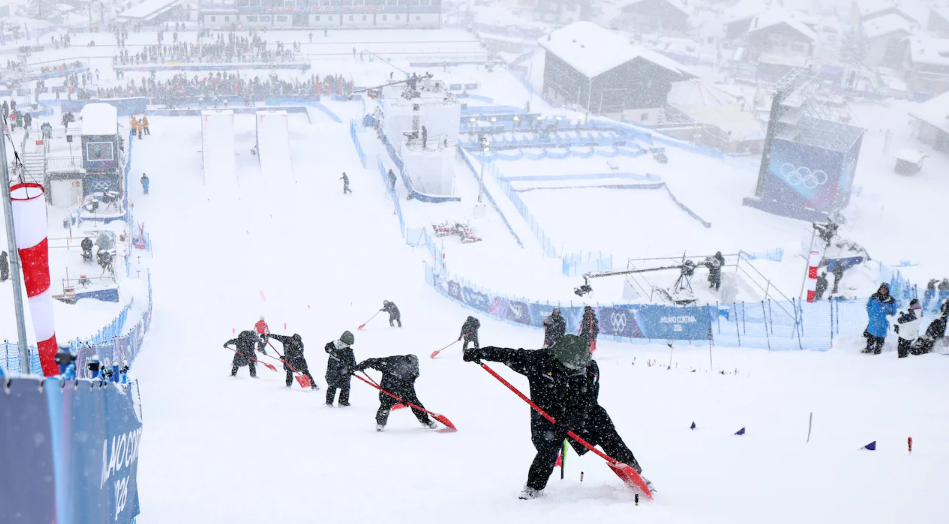
Women's freestyle aerials qualifying: Postponed following completion of practice rounds. Temperatures reached -21°C with continuous snowfall requiring manual snow removal operations on the aerials course.
Women's snowboard slopestyle final: Rescheduled to a later date. The competition involves navigation of rail features and technical obstacles where visibility and speed maintenance are critical safety factors.
Men's freestyle aerials: Originally scheduled for Tuesday afternoon; status pending rescheduling determination.
Competitive Context
The women's aerials field includes the defending Olympic champion and the reigning silver medalist (competing under neutral designation). Women's slopestyle qualifying was led by the defending Olympic gold medalist and current world champion, with a Japanese competitor positioned as primary challenger.
Operational Response
Competition officials monitored conditions for several hours before suspending Tuesday operations. Rescheduled dates and times have not been announced. Manual course maintenance was conducted throughout the weather event to preserve infrastructure readiness.
For Event Organizers: Climate volatility in alpine competition venues is increasing scheduling complexity across winter sport calendars. Contingency frameworks must now account for multi-day weather windows rather than single-day postponements, requiring expanded athlete village capacity and broadcast flexibility. The 2026 experience suggests current meteorological prediction capabilities remain insufficient for advance scheduling adjustments that minimize operational disruption.
For National Federations: Athlete preparation protocols require revision to address competition delays that extend peak performance maintenance periods. Nutritional, psychological, and physical conditioning schedules designed for defined competition dates experience degradation during indefinite postponements. Flexible programming capabilities represent emerging competitive advantages in championship environments.
For Broadcast Partners: Weather-related postponements create inventory management challenges in live sports programming. The density of events in freestyle skiing and snowboard disciplines—where weather sensitivity is highest—suggests contractual structures should incorporate alternative content provisions and flexible scheduling clauses rather than fixed-time guarantees.
For Venue Operators: Snow removal and course preparation labor requirements under extreme weather events exceed standard staffing models. The manual operations conducted at Livigno indicate infrastructure investment in automated snow management systems may yield operational cost reductions and improved safety consistency for future high-priority competitions.
Comments