Japanese skaters seized the podium’s top tier in the women’s short program, while U.S. men landed their second-ever big-air Olympic medal—two storylines that frame the early medal count at the 2026 Winter Games.
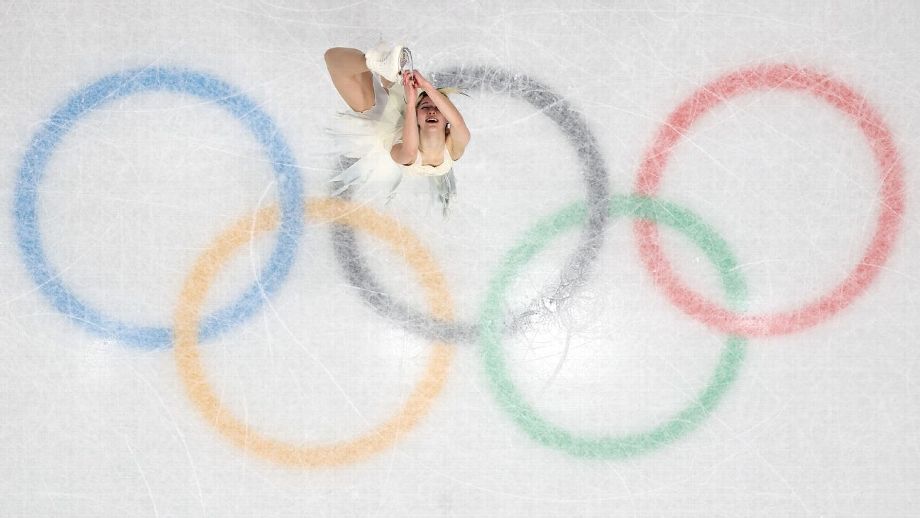
Japanese Women Dominate Short Program Rankings
Ami Nakai’s clean triple-triple combination and level-four spins earned 78.62 points, giving the 17-year-old a 1.84-point cushion over compatriot Kaori Sakamoto. Mone Chiba, also from Japan, sits fourth, meaning three of the first four places now wear the rising-sun flag. The trio train at separate rinks—Nakai in Nagoya, Sakamoto in Kobe, Chiba in Sapporo—yet all share choreographer Mihoko Higuchi, whose emphasis on seamless transitions has become a national blueprint.
U.S. Skaters Split by Single Jump Error
Reigning world champion Alysa Liu muscled into third with a triple axel that drew +4.14 Grade-of-Execution, but teammates Isabeau Levito and Amber Glenn left points on the table. Levito under-rotated the second jump of a planned combination, sliding her to eighth; Glenn telegraphed an intended triple-triple after landing a textbook axel, then touched down on the Salchow, relegating the three-time national titlist to 13th. The 15-place gap between Liu and Glenn equals the largest ever within one U.S. Olympic squad, data from SkatingScores.com show.
Forehand’s 98-Point Trick Seals Silver
In freestyle skiing’s men’s big-air final, Vermont’s Mac Forehand uncorked a switch left triple 1980 safety on the last jump, a score of 98.25 that catapulted him from fourth to second. Judges awarded two other riders 95-point rides, but none could match Forehand’s amplitude—he traveled 34 m horizontally at 5.2 m peak height, according to broadcast telemetry. The silver is the United States’ second big-air podium in four Olympic appearances; the first came via Nick Goepper’s bronze in 2022.
Coaches Re-Examine Mental Load Protocols
National federation memos circulating after the events highlight a pattern: athletes who nail standalone ultra-craft skills—Glenn’s axel, Levito’s triple lutz—are hemorrhaging points on subsequent elements. “Sequential cognitive fatigue is the new frontier,” said U.S. Figure Skating sports psychologist Rainer Meister, noting that pressure-triggered cortisol spikes can erode working memory within 15 seconds, roughly the interval between jump combos. Programs are now inserting micro-breathing cues and simplified key-word mantras between elements to reset attention.
Broadcasters Eye Dual-Market Window
With Japanese skaters commanding 75 % of the top-four screen time and an American medal on the snow side, rights holders see a sweet-spot live slot: 8-10 p.m. EST (10 a.m.-noon JST). NBC’s internal research notes that dual-national storylines lift average-minute ratings by 18 % among 18-34 viewers when both markets have podium contenders. Expect tonight’s free-skate broadcast to open with a split-screen feature on Nakai and Liu, followed by Forehand’s silver-run replay, a scheduling formula engineered for social-media clip virality across continents.
Action Steps for Viewers Who Want to Follow the Drama
- Set a phone alert for the women’s free-skate group-two warm-up (Sun., 7:40 p.m. EST) when Nakai, Sakamoto and Liu share the ice for practice jumps.
- Stream the BBC’s tactical camera on iPlayer—it isolates each coach’s boards, letting you hear the pre-jump cues.
- Track live GOE updates on the ISU’s Judge1 app; Japanese and U.S. panels historically diverge on edge calls.
- Clip Forehand’s 1980 on NBC’s TikTok feed—slow-motion angle shows the ski flex that stunned judges—and compare it to the gold-run trick frame-by-frame.
Source: International Skating Union event reports, NBC Sports research notes, U.S. Figure Skating coaching bulletins
Comments