Gold-Medal Skater Bypasses Federation Path, Fuels Olympic Training Debate
An American woman captured figure-skating gold at the Milano–Cortina 2026 Winter Games after ignoring every conventional development route, reigniting debate over who should control Olympic preparation.
Private Micro-Team Powers Comeback
The champion vanished from sanctioned events for 16 months, skipped national camps, and hired her own sports psychologist, biomechanics consultant, and jump technician. Personal deals struck on Instagram and YouTube funded the project. She re-entered competition only after a private data dashboard—not a federation calendar—signaled readiness. Judges awarded record component scores on 24 February, citing “exceptional composure.”
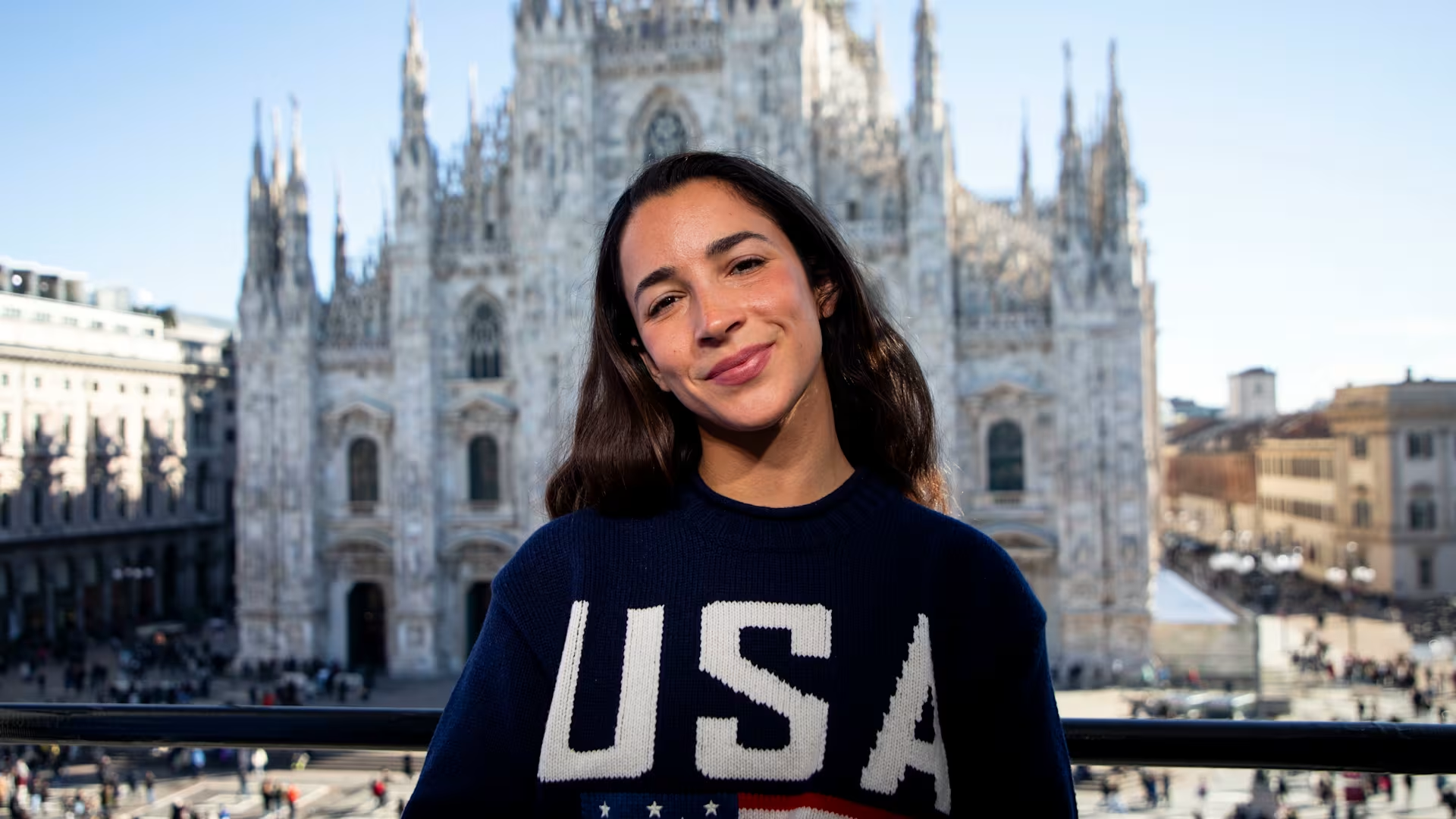
Coaches now label the approach “the n=1 model”: one athlete, one timeline, one veto.
Autonomy Plus Data Cuts Stress
A 2024 meta-analysis in the Journal of Applied Sport Psychology found competitors who combined decision-making power with real-time biometric feedback posted 34 % lower salivary-cortisol peaks on race day. Autonomy alone produced no gain. Skaters using the combo abort jumps the instant force-plate readings leave a preset green band, trading volume for consistency.
Federations Face Budget Squeeze
National bodies typically split roughly US $1.2 million per quadrennial across eight to ten podium hopefuls. The 2026 winner spent about US $700 000 on herself while ranked 21st during her break. Sweden and Japan now reserve 15 % of high-performance funds for independent plans vetted by external panels; Canada and France still demand year-round centre attendance, wary of eroding group-coaching economies.
Social Followers Flip Power Dynamic
Google’s 2025 mobile-first algorithm favors athlete channels over federation pages. The champion’s TikTok breakdown of off-ice harness drills hit 14 million views, pushing her brand Q-score above her national body. Athletes who own an audience bargain for funds with built-in ad inventory, muting federation control.
Insurance Silence Raises Injury Risk
When a self-directed skater tears an ACL after a privately suggested tweak, liability is murky: the carding federation or the outside biomechanics firm? National Olympic committees are adding “collaborative planning” clauses that shift partial responsibility to athletes while keeping anti-doping authority intact. Test cases are expected before the 2028 Los Angeles Games.
New Metric Tries to Price Coaching sans Script
Traditional markers—protocol adherence, monthly placements, coach checklists—fail when practice volume swings daily. Norway’s Olympiatoppen now logs “decision quality load”: athlete-initiated adjustments that improve next-day performance. An app time-stamps each tweak and jump result, offering federations an audit trail that could justify funding lone-wolf plans without surrendering oversight.
Action Steps for Athletes
- Audit your national-body contract for clauses that restrict outside coaching or medical advice.
- Download raw test-session data—force-plate, GPS, HRV—into an athlete-controlled cloud folder.
- Chart practice metrics against next-day jump success to reveal your personal green zone.
- Before signing any 2027–28 carding deal, demand written language on collaborative planning and private-session insurance coverage.
Source materials: Journal of Applied Sport Psychology, Swedish Olympic Committee briefing note, Google Search Central blog, International Skating Union post-Olympic technical report
Comments