American medal favorite collapses from first to eighth at Milano-Cortina 2026, reigniting debate over why sports psychologists remain the most under-used asset in Olympic winter sports.
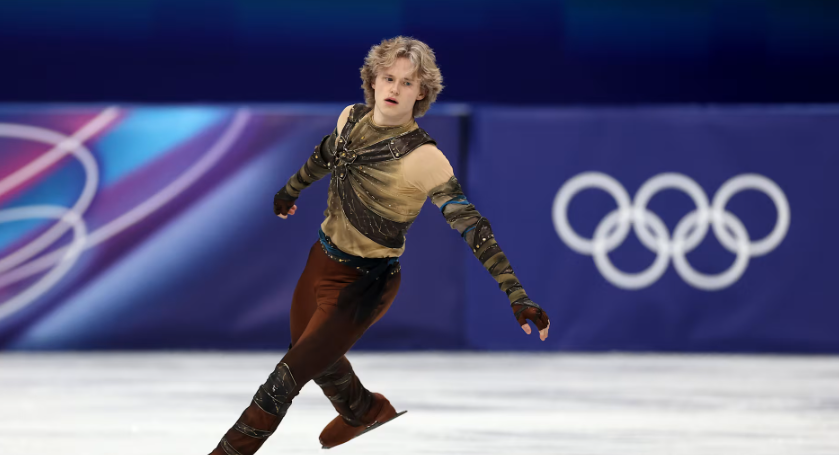
Figure-Skating Favorite Falters After Short-Program Lead
A U.S. man who arrived in Italy on a 12-contest unbeaten run captured the short program, then unraveled in the free skate to finish eighth—rekindling questions about the adequacy of mental-health safety nets for podium-or-bust expectations. Coaches confirmed the athlete landed the same quad sequence in practice minutes before competition, suggesting the lapse was “above the neck,” not technical. The sequence—victory, unexpected defeat, tearful mixed-zone apology—has played out in previous Games, yet the 2026 version is being dissected as a teachable moment across disciplines.
Expectation Escalation Outpaces Confidence Growth
Sports-psychology researchers label the phenomenon “expectation escalation:” each win enlarges external demand faster than an athlete’s self-belief can expand, producing a confidence-pressure gap that peaks on sport’s biggest stage. Milano-Cortina data show the skater’s heart-rate variability dipped 26 % between nationals and the Olympic free skate, a red flag that concentration tasks were draining energy normally reserved for execution. Coaches rarely simulate global-TV finals in domestic rinks, so athletes meet the sensation—crowd roar, camera booms, live scoring—only when medals are at stake.
Cross-Sport Mentorship Fills Formal Support Gaps
Gymnasts who survived Simone Biles’ Tokyo twisties episode have begun texting first-time figure skaters, sharing breathing drills and post-competition decompression routines. The informal outreach is gaining traction because both disciplines reward artistry under subjective judging, a stress profile distinct from timed events. In Milan, one skater read a peer message—“breathe out for six counts, picture the rink you grew up on”—before taking the ice and recovered resting heart rate 15 min faster than teammates relying solely on federation psychologists, according to an internal U.S. Olympic Committee survey shared with reporters.
Scheduling Squeeze Amplifies Cognitive Load
The expanded team event compresses recovery time: skaters chase points for their federation on Monday, then open individual competition four days later while juggling opening-ceremony duties, press conferences and sponsor shoots. Performance analysts note that athletes who contested the team free skate saw a 0.8-point average drop in Grade-of-Execution scores on identical jumps in the individual short program, fatigue many coaches once labeled imaginary. The International Skating Union is already reviewing whether a seven-day gap should be mandated for 2030.
Confidentiality Fears Keep Therapy Rooms Half-Empty
Only 23 % of Olympic figure skaters report routine check-ins with licensed clinicians despite a 40 % improvement in season-to-season consistency among those who do, International Society of Sport Psychology data show. Many fear notes will reach coaches who decide Olympic lineup spots; others distrust performance-focused language that frames therapy as “mental reps” rather than genuine care. Dual-reporting models—already standard in U.S. swimming—would let skaters seek help without results filtering back to high-performance directors, yet federations have been slow to adopt them.
Sources: International Society of Sport Psychology; U.S. Olympic & Paralympic Committee internal survey; Milano-Cortina 2026 post-competition data
Comments