Preliminary play at the Milano-Cortina Olympic men’s ice hockey tournament ended on 25 February, locking eight teams into quarter-final spots and renewing complaints that the three-group format warps knockout seeding.
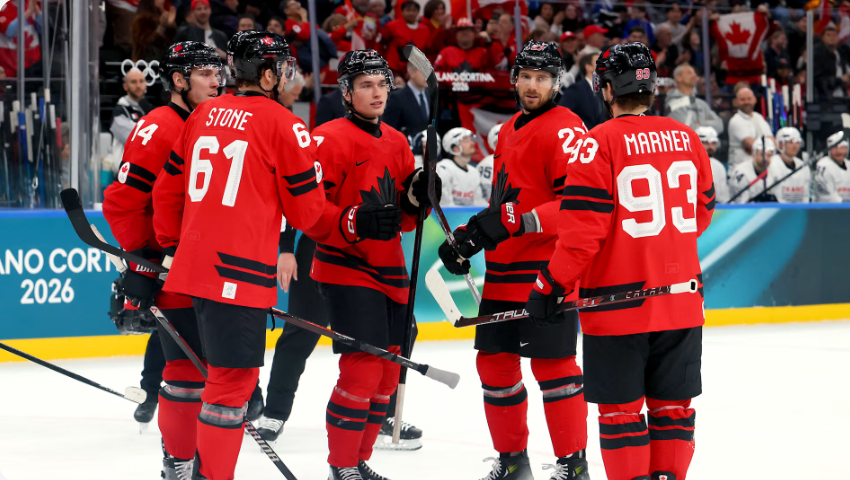
Lopsided Pools Skew Standings
Organizers again split the 12-team field into pools of four, seeding them by the November 2025 IIHF world ranking. Group A ended up with three top-ten nations; Group C held only one. Because quarter-final seeding is based on raw points and goal differential inside each pool, clubs in the lighter group posted padded stats that lifted them above teams that faced stronger opponents.
Analysts have proposed cross-over games or a strength-of-schedule coefficient, yet the IIHF has left the format untouched since 2018, saying simplicity trumps math. Coaches counter that the bracket now rewards schedule luck as much as on-ice merit.
Goaltender Math Under 48-Hour Turnaround
Only one rest day separates the second and third preliminary games, forcing staffs to choose between riding a starter or splitting minutes. IIRF tracking shows save percentage falls 4.6 points, on average, when a goalie starts on back-to-back nights; the drop hits 7.1 points for keepers older than 30.
Countries that carried three netminders and mapped an early rotation—Finland and Czechia, for instance—posted a .918 combined save percentage in second games, four points higher than teams that stuck with one goalie. The trade-off is a shorter bench up front, a squeeze that becomes acute when the qualification round adds a fourth game in five nights.
Qualification Game Sharpens Or Drains
Third-place finishers met second-ranked sides from each pool in Tuesday’s single-elimination qualifiers. Since the play-in was added in 2014, about one-third of the teams that survive it upset a higher seed in the quarter-finals, suggesting the extra match keeps players in rhythm but also digs into stamina.
Group winners pocket a three-day break. U.S. coaches scheduled a closed-door intrasquad scrimmage, chasing tempo without travel. Others ran light recovery skates. No consensus exists.
Goal Gap Holds Steady Despite Investment
The top four seeds scored 68 percent of all preliminary-round goals, the largest share since NHL players returned in 1998. European development leagues have grown and Asian federations have raised budgets, yet the margin between traditional powers and emerging programs is virtually unchanged from PyeongChang 2018.
IIHF development grants are partly tied to Olympic goal differential, unintentionally widening the resource gap. Critics argue that releasing funds before the tournament—based on participation, not results—would soften the blow.
Variable Ice Surfaces Force Rapid Adjustment
Games moved from the 1,800-metre rink in Cortina to the near-sea-level arena in Milan, producing different ice hardness and puck glide. Teams that drew one mountain and one city assignment during the prelims went 5-1 in the qualification round, hinting faster environmental adaptation.
Unseasonal warmth forced crews to run auxiliary chillers overnight, pushing energy costs 15 percent above bid forecasts. In Milan, staff flooded extra ice layers and tweaked refrigeration set-points twice daily to stay inside IIHF limits.
NHL Participation Still Undecided After 2026
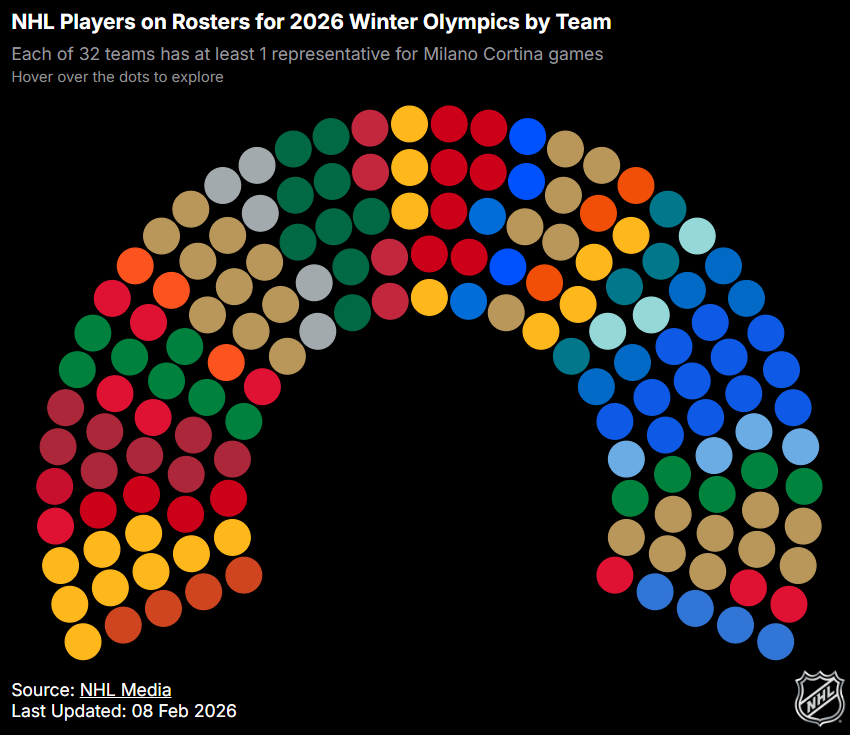
The agreement that brings NHL talent to the Olympics expires after Sunday’s closing ceremony. Talks on insurance, travel and marketing rights are stalled; deputy commissioner Bill Daly says a 2030 tournament without NHL players is “a live possibility.”
A return to amateur or club rosters would trim the elite tier, likely tighten scoring, and restore some suspense—but also remove the star power broadcasters pay for. The IIHF congress in May will debate fallback formats if the league walks.
Action List for Stakeholders
- Tournament planners: Test a group-balancing algorithm at the 2027 World Championship.
- General managers: Keep a third goalie on the roster whenever turnarounds are 48 hours or less.
- Coaches: Schedule sessions at both mountain and low-altitude rinks before the Games.
- Development officers: Base grants on participation, not goal differential.
- Media buyers: Model 2030 viewership with and without NHL talent to price sponsorships.
Comments